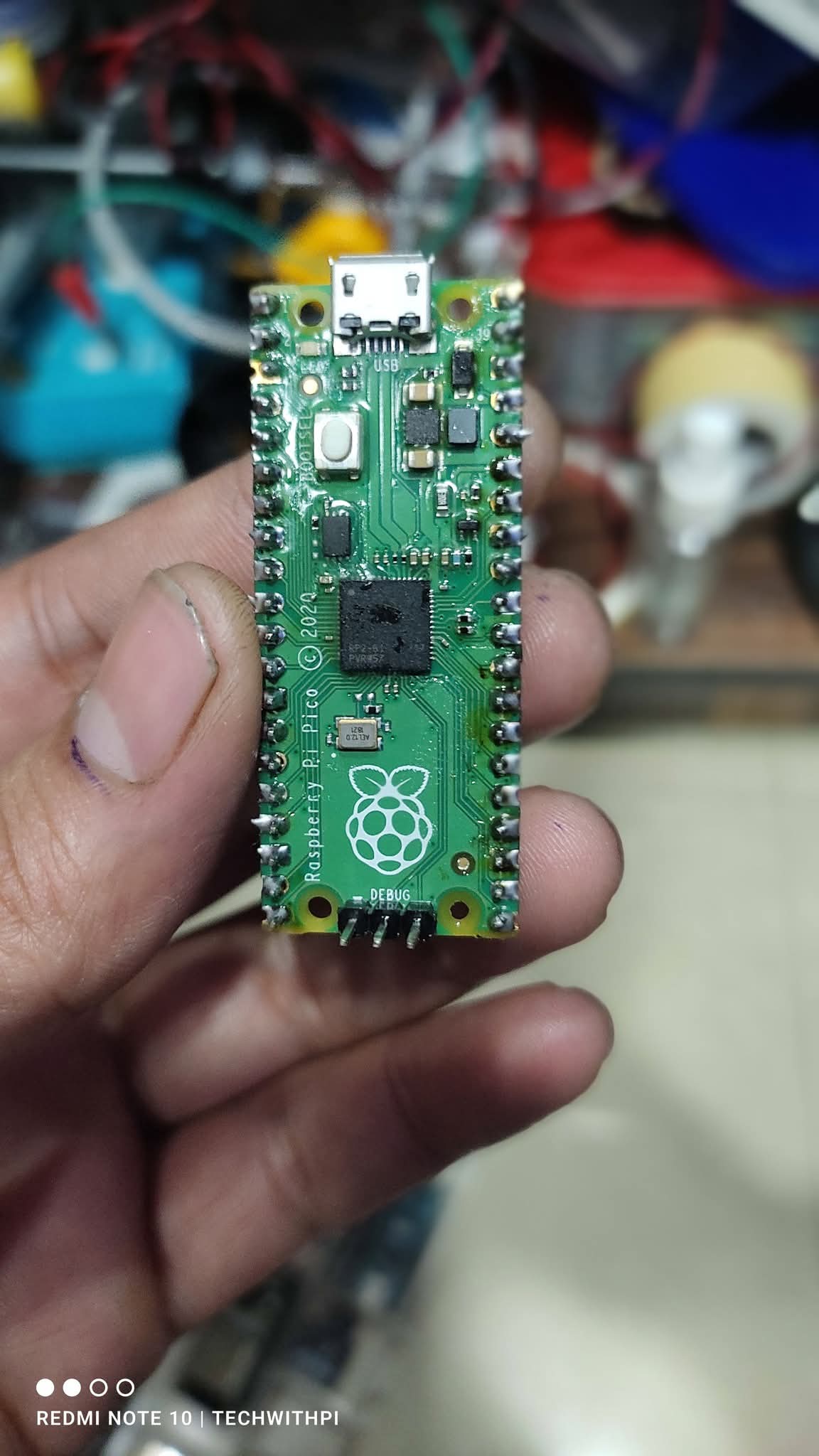
Raspberry Pi Pico is a powerful microcontroller designed for IoT, robotics, and embedded systems. But did you know that it can also be turned into a hacking tool? With the right programming, it can perform HID attacks, keylogging, BadUSB exploits (like Rubber Ducky), and even RFID cloning with additional hardware.
1. Keylogger with Raspberry Pi Pico
A keylogger is a device that records keystrokes on a keyboard. By programming Raspberry Pi Pico to act as a USB HID (Human Interface Device), it can capture keystrokes when connected to a target system. Ethical hackers and security researchers use keyloggers to test system vulnerabilities and improve cybersecurity.
2. Rubber Ducky / BadUSB Attack
Raspberry Pi Pico can mimic a keyboard and send automated keystrokes to execute commands on a computer. This is similar to the famous Rubber Ducky attack, where a malicious USB device can quickly inject payloads to steal information, download malware, or gain remote access. Ethical hackers use this technique to educate users about the dangers of unknown USB devices.
3. RFID Cloning with Raspberry Pi Pico
With additional RFID hardware, Raspberry Pi Pico can read and duplicate RFID tags. This technique is commonly used in penetration testing to check the security of access cards in offices and restricted areas. Ethical hackers use RFID cloners to demonstrate how attackers can exploit weak security measures.
Is It Legal?
Using Raspberry Pi Pico for hacking depends on intent. Ethical hacking, or penetration testing, is legal when done with proper authorization to improve security. However, using these techniques for unauthorized access is illegal and punishable under cyber laws. Always use such knowledge responsibly!
Why Should You Care?
Cyber threats are constantly evolving. Understanding how hackers exploit vulnerabilities helps in developing better security measures. Whether you're a cybersecurity student, a tech enthusiast, or an ethical hacker, Raspberry Pi Pico offers an affordable way to learn about cybersecurity and ethical hacking.
Final Thoughts
While Raspberry Pi Pico is not designed for hacking, it can be programmed for various cybersecurity applications. Whether it's keylogging, USB attacks, or RFID cloning, security researchers use these techniques to test and strengthen defenses.
What do you think? Would you like to learn more about cybersecurity tools with Raspberry Pi Pico? Comment below! 👇
#RaspberryPiPico #EthicalHacking #CyberSecurity #TechWithPi #HackingEthically
Comments (0)
Be the first to comment!