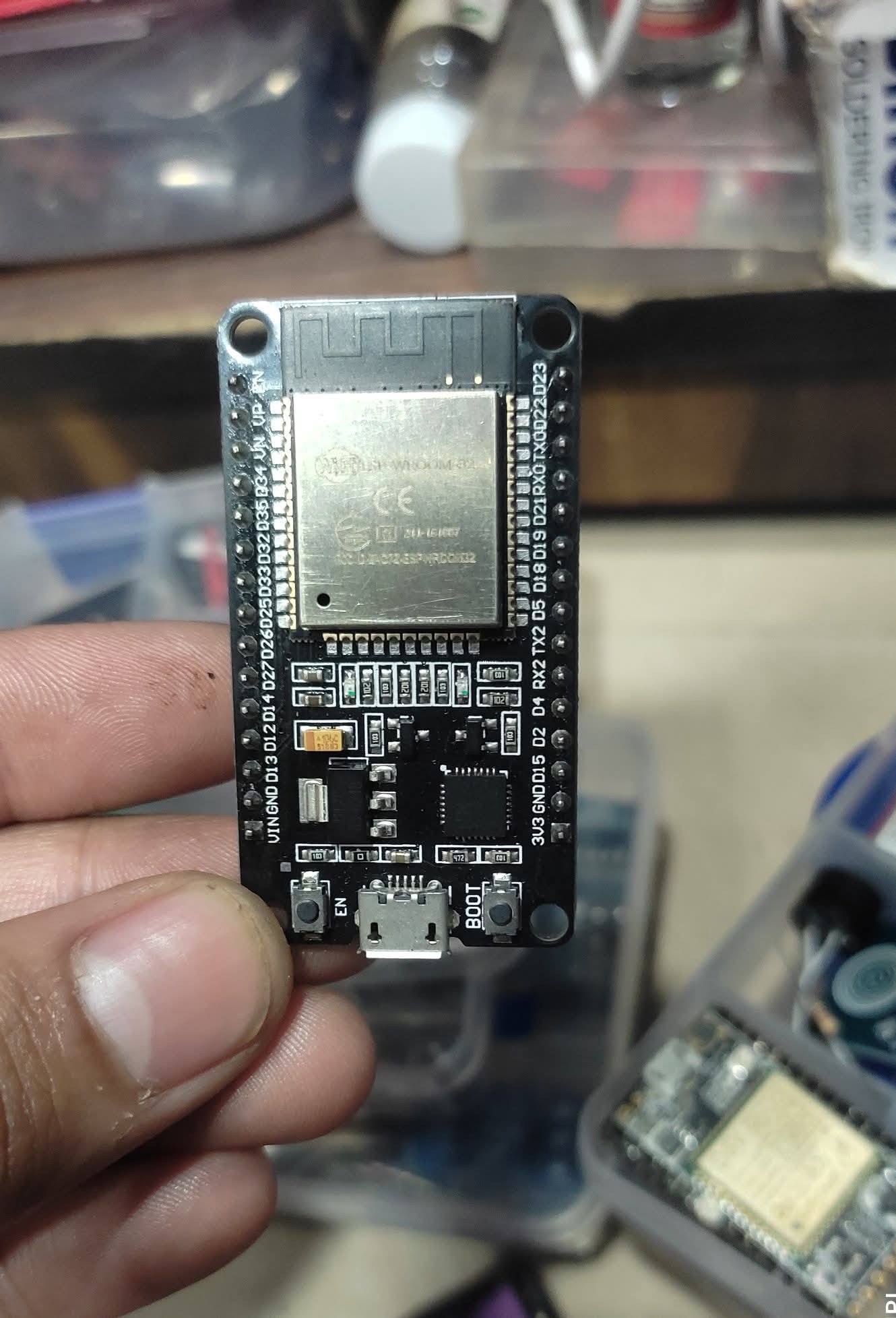
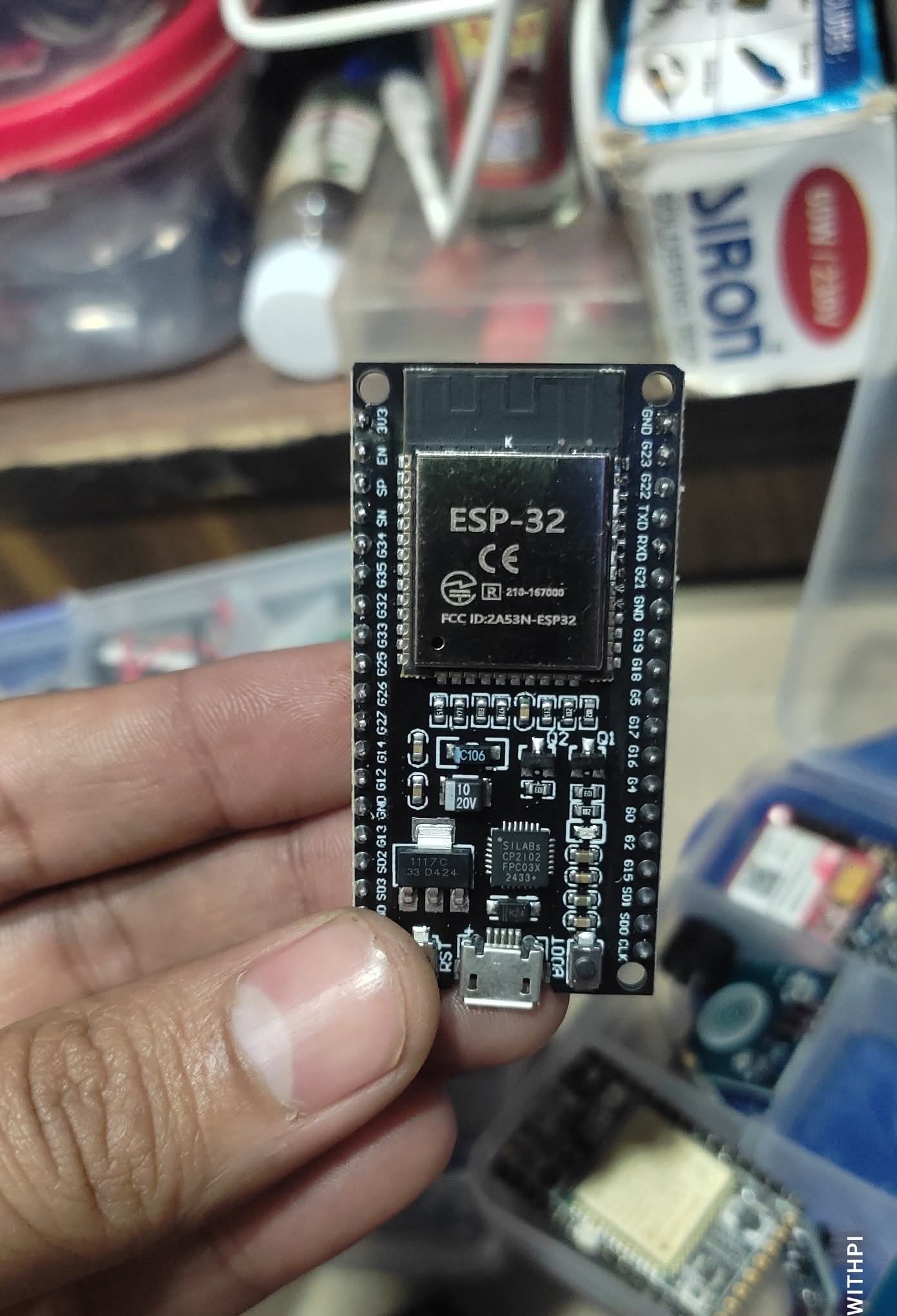
1. Pin Count:
The ESP32 (38-pin) board offers more GPIOs, making it more expandable for additional peripherals. In contrast, the ESP32 (30-pin) board has fewer available GPIOs, making it more compact but slightly limited in connectivity.
2. USB-to-Serial Converter:
The 38-pin version can have either CH340G or CP2102 as the USB-to-serial converter, whereas the 30-pin version always uses CP2102, which provides better compatibility with Windows, macOS, and Linux.
3. Size and Design:
The 38-pin board is larger, making it suitable for projects requiring multiple sensor connections. On the other hand, the 30-pin version is more compact, making it ideal for small enclosures or space-limited applications.
4. GPIO Accessibility:
Since the 38-pin board has more GPIO pins, it allows for a greater number of sensor and module connections. The 30-pin board, due to its reduced pin count, may limit direct connections with certain peripherals.
5. Voltage Regulator & Power Handling:
The voltage regulator in both versions may vary, but the 30-pin version often has a more efficient power regulator, ensuring better power stability in some cases.
Which One to Choose?
If you need more GPIOs and better expandability, go for the ESP32 (38-pin) version.
If you prefer a compact design with reliable CP2102 support, the ESP32 (30-pin) version is a better choice.
Both boards support Arduino IDE, MicroPython, and IoT applications, so the choice depends on your project needs
#ESP32 #NodeMCU #ESP32Comparison #IoT #EmbeddedSystems #Microcontroller #Arduino #MicroPython #Electronics #DIYProjects
Comments (1)